About CME / MEDEK Therapy

Understanding Cuevas Medek Exercise — the therapy at the heart of everything we do.

What is Cuevas Medek Exercise?

Cuevas Medek Exercise (CME) is a dynamic physical therapy approach for infants and children with neuromotor challenges. It works by challenging the child's central nervous system with exercises that demand automatic postural and movement responses — without verbal instruction or voluntary effort from the child.

The therapist systematically reduces support from the child's body, exposing them to progressively more challenging postural demands. The child's nervous system responds by generating the motor patterns needed to maintain balance and upright posture — activating functional movement in children who otherwise lack it.

CME exercises progress from proximal body support (trunk and hips) toward distal support (ankles and feet), following the natural proximal-to-distal direction of motor development. As the child masters each level, support is gradually reduced until the child can perform the movement independently.

Key Principle: CME does not teach movement through repetition or instruction. Instead, it provokes automatic motor responses from the nervous system — the same way motor skills naturally develop in typically developing children.

Who can benefit from CME?

+
CME is effective for children with a wide variety of neuromotor diagnoses including cerebral palsy, hypotonia, Down syndrome, spinal muscular atrophy, global developmental delay, traumatic brain injury, spina bifida, and other conditions that affect motor development. Children of all ages can benefit, from young infants through older children.

How is CME different from traditional PT?

+
Traditional physical therapy often focuses on strengthening, stretching, and repetitive practice. CME instead focuses on provoking the nervous system to generate automatic motor responses. Rather than compensating for deficits, CME aims to activate dormant functional pathways in the nervous system — often producing results faster than conventional methods.

How quickly can we expect results?

+
Results vary by child and diagnosis. Many families report visible improvements within the first intensive therapy block. CME is particularly effective when delivered at high frequency (daily sessions), which is why intensive therapy blocks — consisting of daily or twice-daily sessions over one to two weeks — are especially powerful.

Is CME appropriate for infants?

+
Yes. CME can be used with infants as young as a few months old. In fact, earlier intervention is often more effective, as the nervous system's plasticity is greatest in infancy and early childhood. If your infant has a neuromotor diagnosis or shows signs of developmental delay, early referral to CME therapy is recommended.
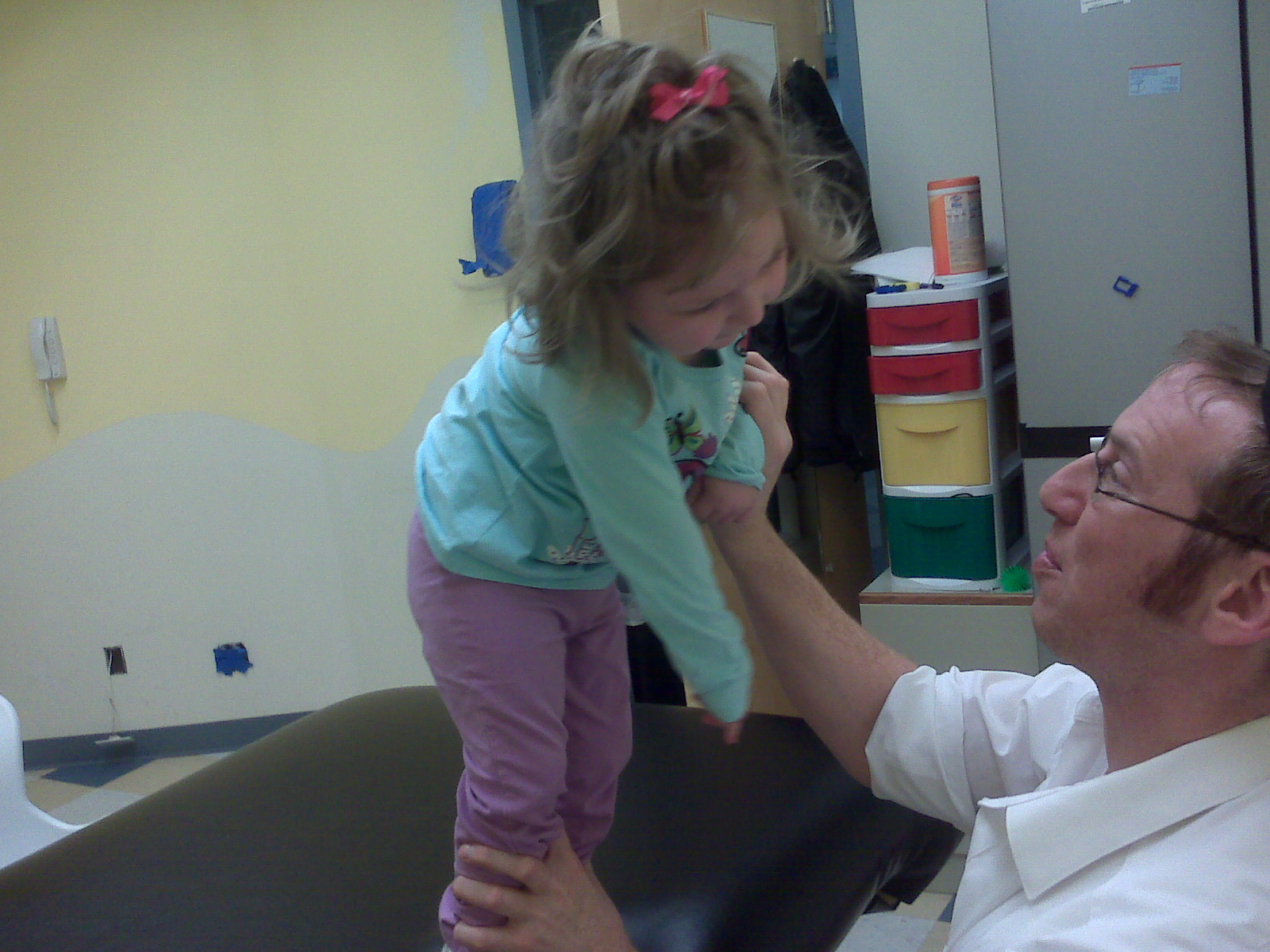
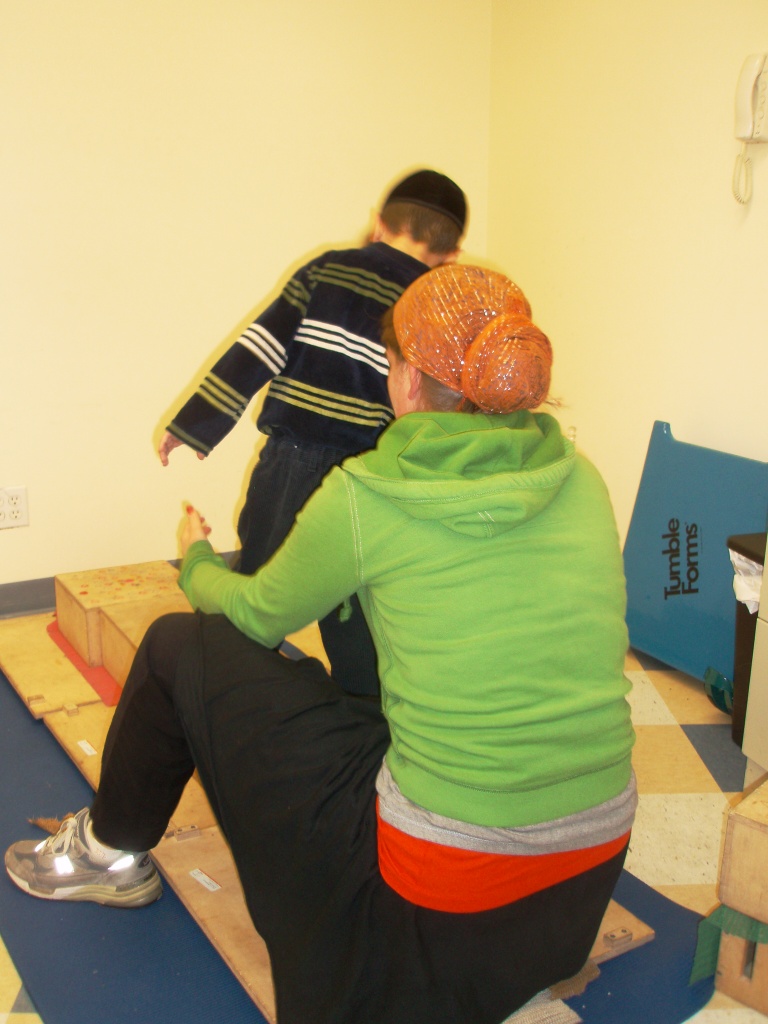
Child benefiting from CME therapy
About the Methodology

What Does MEDEK Stand For?

MEDEK is an acronym derived from the Spanish phrase "Método Dinámico de Estimulación Kinésica", which translates in English to "Dynamic Method of Kinetic Stimulation."

The term reflects the foundational principles of the approach: it is dynamic (constantly challenging and progressing), it stimulates the nervous system, and it leverages kinetic (movement-based) forces — particularly gravity — as the therapeutic agent.

Today the therapy is most commonly referred to as CME (Cuevas Medek Exercise) to honor its developer, Ramon Cuevas, while the MEDEK name remains in use particularly in older literature and among longstanding practitioners.

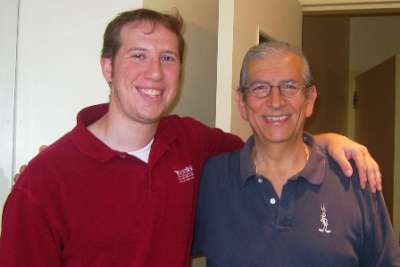
Ramon Cuevas, developer of CME therapy
Ramon Cuevas Developer of CME Therapy

Who Invented CME Therapy?

Cuevas Medek Exercise was developed by Ramon Cuevas, a Chilean physical therapist. Working with children with neuromotor conditions over decades of clinical practice, Cuevas observed that systematically challenging the nervous system with gravity-dependent exercises could provoke automatic motor responses — even in children with significant neurological impairment.

Cuevas developed and refined his methodology over many years, training therapists from around the world at his clinic in Santiago, Chile. His work has helped thousands of children with cerebral palsy, Down syndrome, hypotonia, and other conditions achieve motor milestones that were once thought unattainable.

Jonathan Orgel of Milestones PT received his training directly from Ramon Cuevas in Chile — a connection that ensures the CME therapy delivered here adheres to the original methodology at the highest standard.

1–2 Weeks Intensive block duration
Daily Session frequency
Level III Highest CME certification

Intensive Therapy Blocks

Our most powerful treatment option — concentrated, high-frequency CME therapy designed for rapid motor development gains.

What is an Intensive Therapy Block?

An intensive therapy block is a focused program of daily or twice-daily CME sessions delivered over a minimum of one week — ideally two weeks. This concentrated approach takes advantage of the nervous system's responsiveness to repetition and high-frequency stimulation.

Research and clinical experience show that children often make significantly greater progress during intensive programs compared to the same total number of sessions delivered once or twice a week over many months.

  • Daily or twice-daily sessions (1–2 hours each)
  • Minimum 1 week; 2-week blocks recommended
  • All sessions conducted by Jonathan Orgel, PT
  • Progress documented with photos and video
  • Home program taught to parents for carryover
  • Families traveling from outside NY are welcome
Inquire About Intensive Blocks
📍

Who Should Consider an Intensive Block?

Intensive blocks are ideal for children who have plateaued in weekly therapy, families who travel to see Jonathan from another state or country, or children approaching a critical developmental window where rapid progress is most valuable.

✈️

Traveling Families Welcome

Many families travel from across the United States and internationally to participate in intensive therapy blocks with Jonathan. We are happy to accommodate your scheduling needs and help make the most of your visit.

CME Courses for Therapists

Jonathan Orgel teaches Cuevas Medek Exercise courses for licensed physical and occupational therapists seeking CME certification.

As one of the few CME Level III certified practitioners in the United States, Jonathan is uniquely positioned to train other therapists in this specialized methodology. His courses cover the principles, anatomy, assessment, and hands-on techniques of CME therapy at each certification level.

Courses are taught in small groups to ensure hands-on practice time and individualized feedback. Participants leave with the skills and confidence to begin incorporating CME into their clinical practice.

  • CME Level I Course — Foundational principles and techniques
  • CME Level II Course — Intermediate applications and clinical reasoning
  • Small class sizes for hands-on learning
  • Taught by a CME Level III practitioner trained by Ramon Cuevas
  • CE credits available
Inquire About Courses
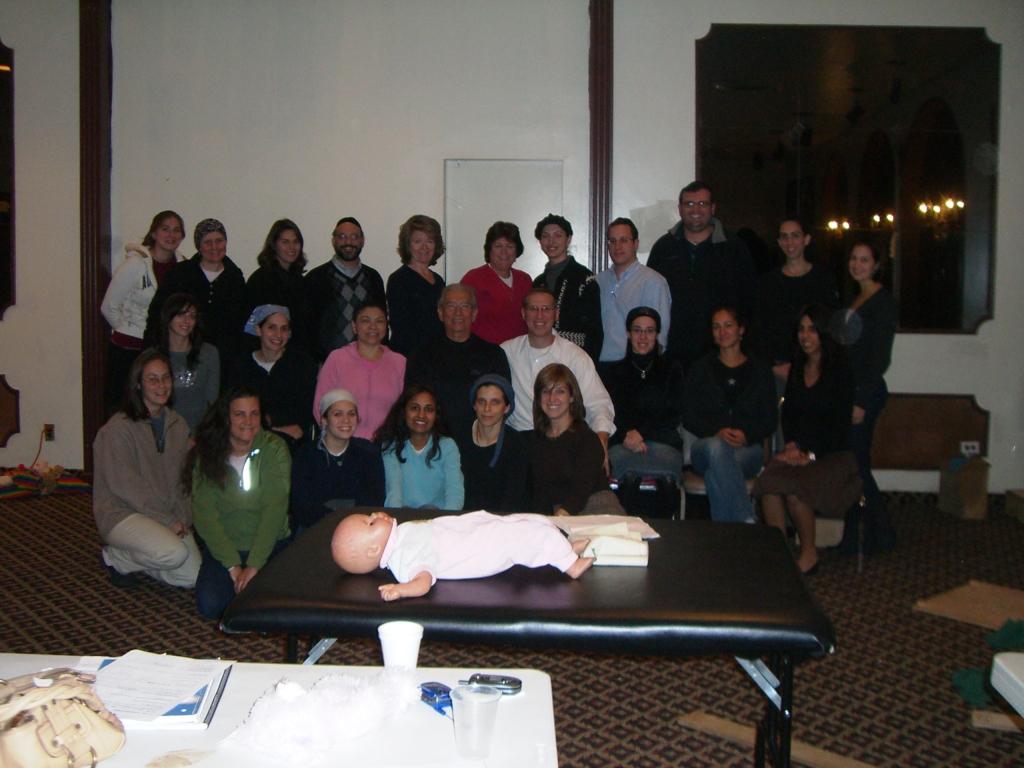
CME Level I course
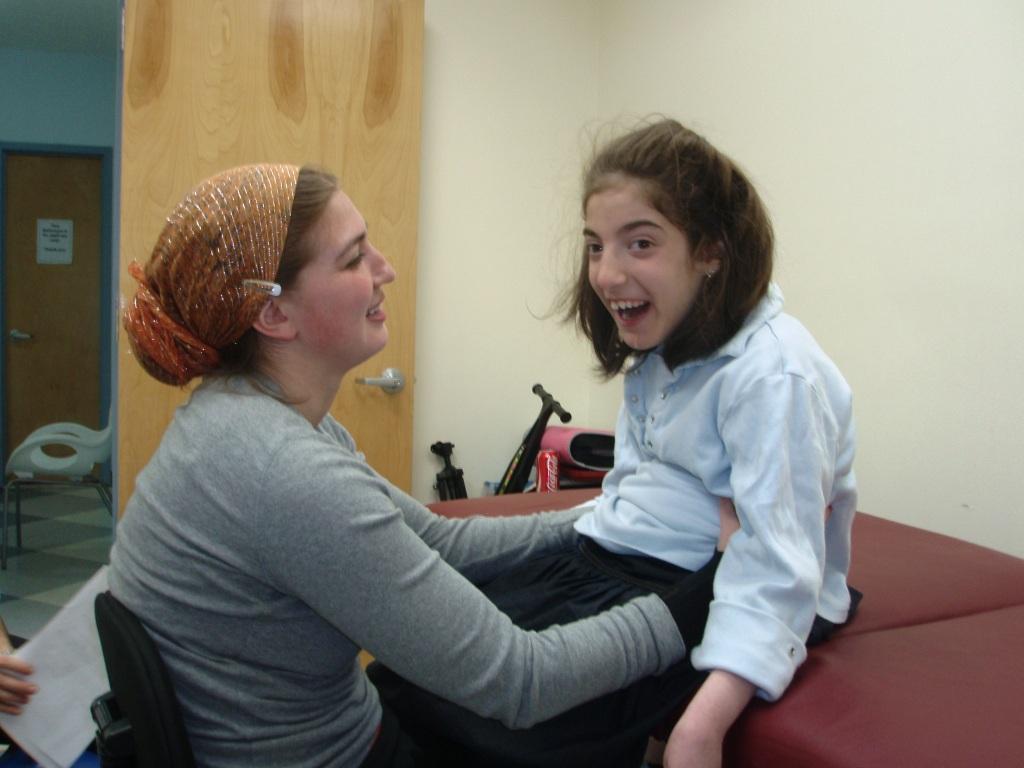
CME course
CME course

Questions About CME Therapy?

Contact Jonathan to learn whether CME therapy is right for your child, or to inquire about upcoming courses.